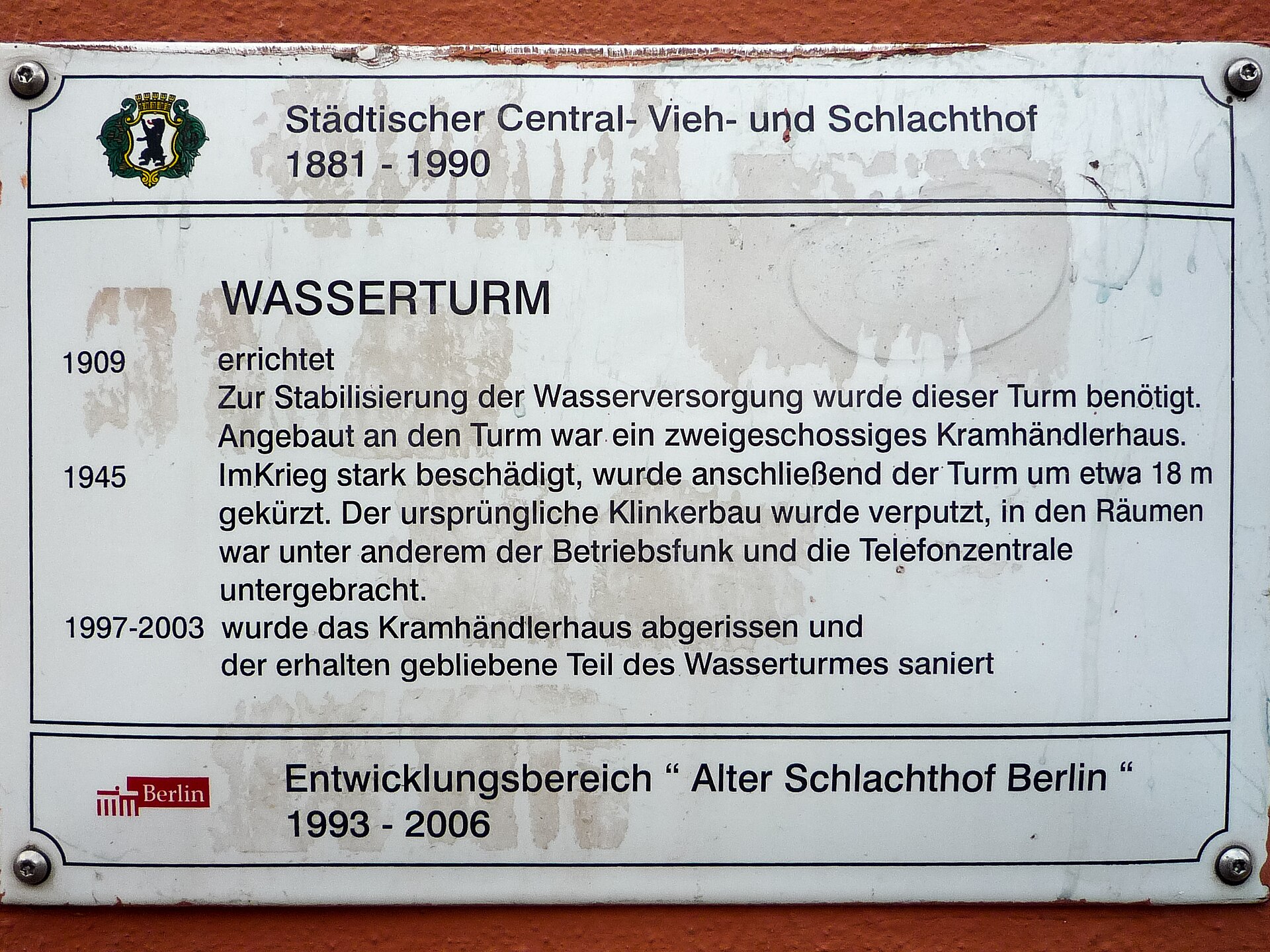
Alter Schlachthof Berlin: the hidden history of the central abattoir
A city within the city
When the Zentralvieh- und Schlachthof – the Alter Schlachthof – opened in 1881 on the eastern edge of Berlin, it was one of the largest and most modern facilities of its kind in Europe. Cattle markets, slaughter halls, cold stores, its own railway sidings and administrative buildings formed an entire industrial quarter between today’s Friedrichshain and Prenzlauer Berg.
For a walking tour that looks for the hidden side of Berlin, this is the perfect starting point: a place that once employed thousands, shaped the city’s food supply for a century, and has now almost completely dissolved into ordinary streets, housing and parks.
Why a slaughterhouse mattered to Berlin
In the late 19th century Berlin was growing explosively. Concentrating the meat trade in one sanitary, rail-connected complex was a public-health project as much as an economic one. The Alter Schlachthof standardised inspection, refrigeration and distribution at a scale the private butcheries of the old city could never match.
That logic – centralise, industrialise, connect to rail – is the same logic that reshaped Berlin’s waterworks, gasworks and transport in the same decades. Reading the Schlachthof is a way of reading industrial Berlin as a whole.
From the GDR to redevelopment
After 1945 the site lay in East Berlin and continued to operate under the GDR, though gradually modernised and reduced. After reunification the slaughtering operations closed and the huge terrain was redeveloped from the 1990s onward into the residential and commercial quarter you see today.
Crucially, redevelopment did not erase everything. Protected historic halls, gatehouses and brick facades were integrated into the new district, so the industrial past survives in fragments among the new apartments.
What to look for on the ground
On a guided walk the traces become obvious once you know where to look: surviving red-brick halls repurposed as shops and offices, the geometry of former market squares, cobbled service roads, and street names that still carry the memory of the livestock trade.
This is exactly the kind of layered, easy-to-miss history that rewards a second or third visit to Berlin – and it sets up the larger narrative of our tour, which moves from industry to war, the GDR and the natural landscape beneath the city.
Frequently asked questions
Where is the Alter Schlachthof in Berlin?
It occupied a large area on the border of Friedrichshain and Prenzlauer Berg in the east of Berlin, near today’s Landsberger Allee.
Can you still visit the Alter Schlachthof today?
Yes. The area is a public, walkable neighbourhood. Several protected historic buildings survive among the newer housing and commercial spaces.
Is the Alter Schlachthof part of your walking tour?
Yes, it is the opening stop of our hidden history walk, before the tour continues to Mont Klamott, the Friesenstadion and the Ice Age landscape.
Under the Surface – A Hidden History Walk
Ask about a tourContinue reading
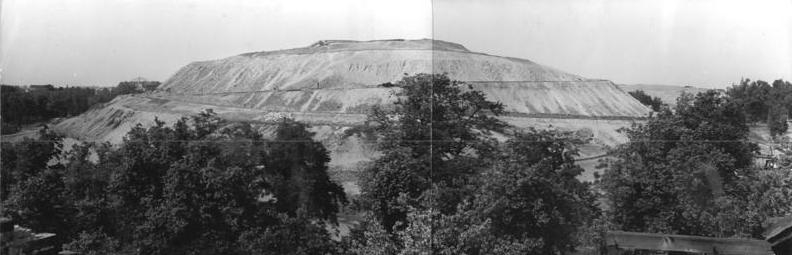
Mont Klamott: the buried WWII bunkers of Volkspark Friedrichshain
How two demolished flak bunkers became the Großer and Kleiner Bunkerberg – the artificial hills nicknamed Mont Klamott – in Berlin’s oldest public park, and what still lies beneath.
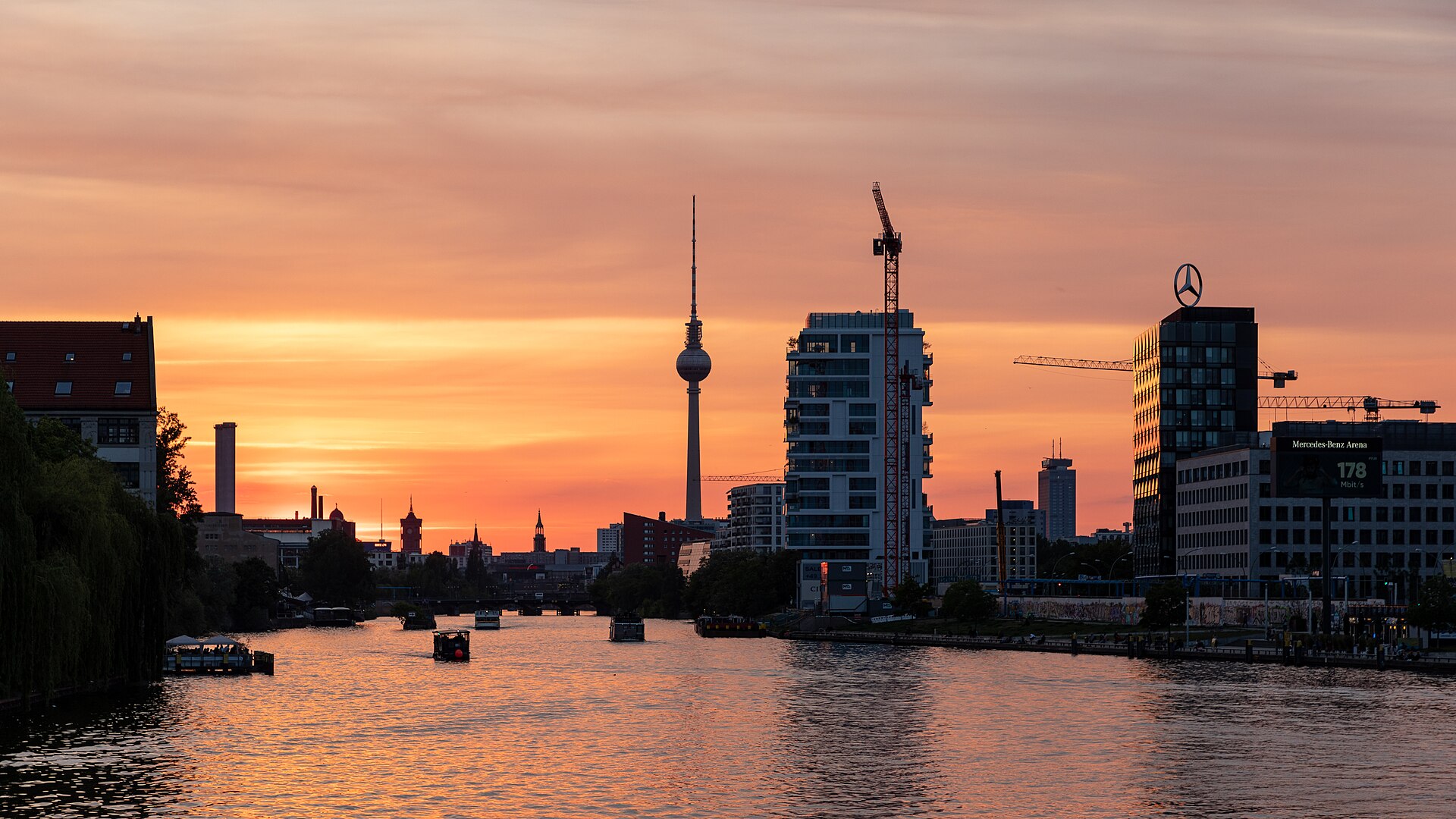
How the Ice Age shaped Berlin: the Urstromtal beneath the city
Why the Spree flows through the Berlin glacial valley, how meltwater and glaciers formed Prenzlauer Berg and Kreuzberg, and how to see the Ice Age in the modern city.